
Is a 24-Hour Gym Ever Crowded? Peak vs. Quiet Hours
· John Manzano
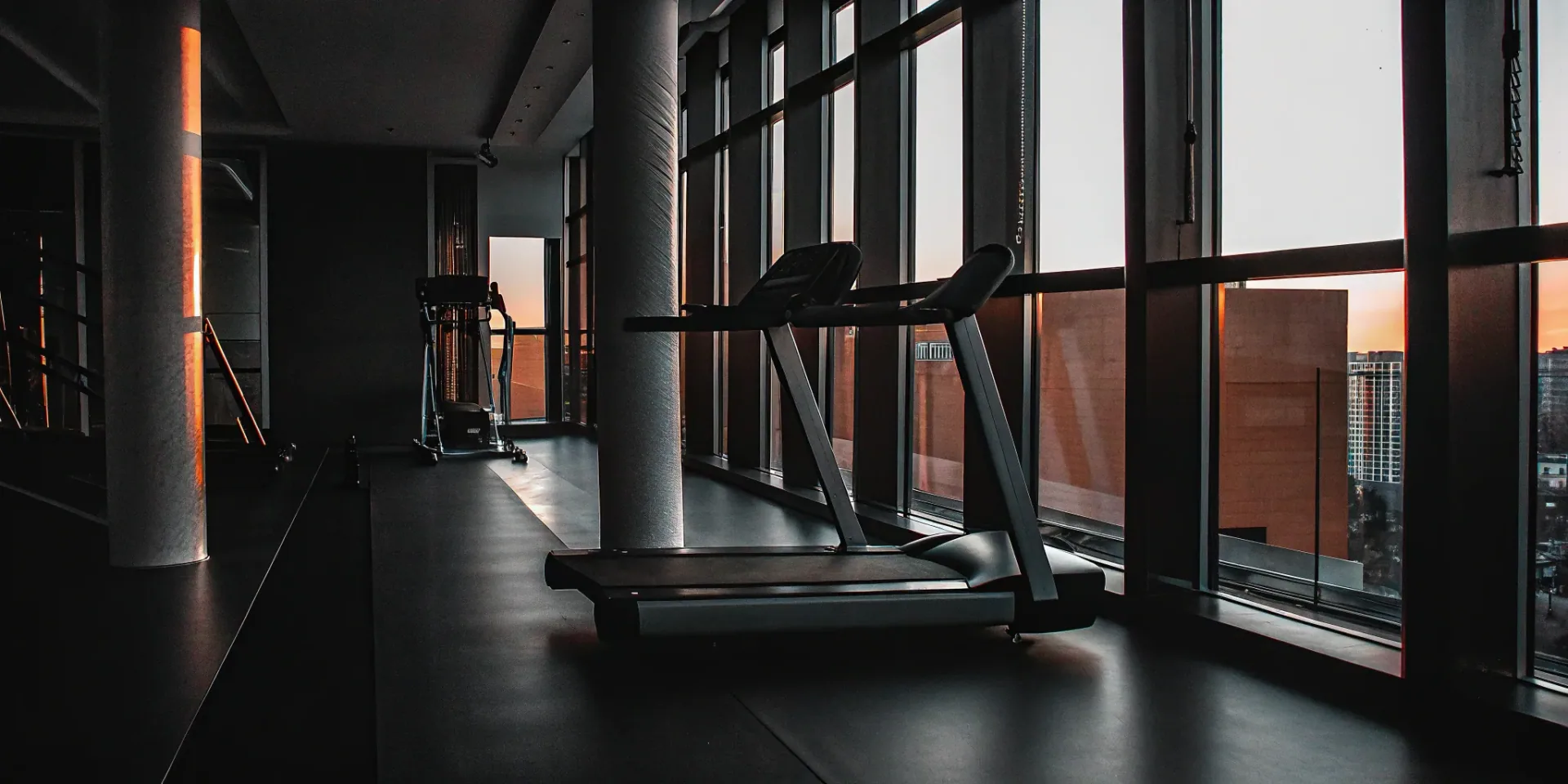
Your time is your most valuable asset, and wasting it waiting for a squat rack is a workout killer. A 24-hour gym seems like the perfect fix, offering the flexibility to train around your life. But if you’re still fighting for equipment, what’s the point? This leads many to wonder, is a 24 hour gym ever crowded? Absolutely. The key isn’t just when you go, but where you go. We’ll dive into the typical gym rush hours and show you how a well-designed facility with a committed community provides a consistently better training environment, ensuring your workout is as efficient and productive as possible.
Key Takeaways
-
Time your workouts to sidestep the crowds
: The gym floor is most packed during the pre-work morning rush (6-9 AM) and the post-work evening wave (4-7:30 PM). Plan your sessions for the quieter mid-day hours (10 AM - 3 PM) or late at night to have more space and equipment to yourself.
-
The right gym makes all the difference
: A gym’s business model directly impacts how crowded it feels. Premium, spacious clubs designed for serious training naturally manage capacity better than high-volume budget chains, ensuring a more focused and effective workout.
-
Always have a game plan
: Use tech like Google’s popular times chart or the gym app to check traffic before you go. It’s also smart to have a few backup exercises in mind so you can easily adapt if your go-to machine is occupied, keeping your workout on track no matter what.
When Are 24-Hour Gyms Actually Busy?
Even with 24/7 access, most gyms have predictable ebbs and flows. If you’ve ever circled the floor waiting for a squat rack to open up, you know exactly what I’m talking about. These peak hours aren’t random; they’re tied directly to the rhythm of the typical workday. The good news is that once you understand these patterns, you can strategize your training schedule to get the most out of every session, whether you thrive on the high-energy buzz of a full house or prefer the quiet focus of a nearly empty gym.
The main rushes happen exactly when you’d expect: right before and right after the standard 9-to-5. Think of it as a fitness version of rush hour traffic. While a larger gym with a smart layout can absorb crowds better than a smaller spot, these peak times are a reality almost everywhere. Knowing when they hit is the first step to claiming your favorite machine without the wait. If you find your schedule is locked into these busy windows, working with a personal trainer can help you create an efficient workout that keeps you moving, even when the gym is packed.
The After-Work Rush (4 PM - 7:30 PM)
This is prime time. From late afternoon into the evening, the gym transforms into a high-energy hub as people flood in to sweat out the stress of the workday. For many, it’s the most convenient time to train, making it the most congested period of the day. You’ll find the free weights section buzzing and a line forming for popular machines. While the collective energy can be incredibly motivating, it can also be a test of patience if you’re on a tight schedule. This is the time to have a backup exercise in mind for every move on your list, just in case your go-to bench is taken.
The Early Bird Crowd (6 AM - 9 AM)
The second-busiest time at most gyms is the morning shift. This is the domain of the early birds, the dedicated crew who prefer to conquer their workout before the day’s demands take over. The peak of this wave usually hits between 7:30 and 9 AM, as people squeeze in a session before heading to the office. The vibe is often different from the evening rush—it’s more focused and business-like. People are there to get their work done and get out. If you’re a morning person, you can still beat the worst of it by arriving closer to 6 AM, giving you a solid head start before the main crowd arrives.
Weekend Warrior Waves
Weekends are a different beast altogether and can be tough to predict. Saturday mornings often see a significant rush, as people catch up on workouts they missed during the week or have more time for a longer session. However, the crowds tend to thin out by the afternoon. According to gym-goers, the sweet spots are often Saturday evenings and early Sunday mornings. Sundays are generally quieter than Saturdays, as many people use the day for rest, errands, and family time, leaving the gym floor more open for those who want to get a jump on their training week.
Why Is My Gym So Packed?
Ever walk into the gym ready to crush your workout, only to find every squat rack taken and a line for the dumbbells? It’s a common frustration. While the after-work rush is a well-known phenomenon, the reasons your gym feels packed go far beyond the time on the clock. Several factors work together to create those peak moments, and understanding them can help you reclaim your workout space.
The truth is, there’s no single answer for when a gym will be busy because every gym has its own unique rhythm. The secret to finding your perfect, crowd-free workout window lies in looking at the bigger picture. From the gym’s physical location and price point to the time of year and even its square footage, each element plays a role in the flow of members. By getting familiar with these patterns, you can learn to anticipate the crowds and adjust your schedule for a more focused and efficient session. It’s not about avoiding people entirely, but about training smarter.
Your Gym’s Location and Neighborhood
A gym’s address has a massive impact on its daily ebb and flow. A fitness center in a corporate downtown area will be slammed during lunch and right after 5 p.m., but a ghost town on weekends. Conversely, a gym in a dense residential neighborhood might see more stay-at-home parents in the mid-morning and a steady stream of locals all evening. The best time to go to the gym really depends on the lifestyle of the community it serves. Here in the South Bay, the mix of tech commuters, local business owners, and dedicated fitness enthusiasts creates its own unique rhythm.
Gym Style and Price Point
Not all gyms are created equal, and their business model directly influences crowd levels. Budget-friendly chains often experience extreme peaks and valleys because their low price point attracts a high volume of members who stick to conventional 9-to-5 schedules. On the other hand, premium, specialty clubs like Athlos Iron Lair attract a different kind of member—one who is more invested in their training. Plus, our 24/5 access naturally distributes members throughout the day and night. This means fewer people at any given time, less waiting for equipment, and a more productive workout for you.
The Time of Year (and Local Happenings)
Seasonality is a major driver of gym traffic. We’ve all seen the New Year’s resolution rush, when gyms are buzzing with fresh energy through January and February. Conversely, summer months tend to be a bit calmer as people take vacations or exercise outdoors. Even local happenings can have an effect—a major sporting event on TV or a community festival can unexpectedly clear the gym floor. Paying attention to the calendar can give you a heads-up on when to expect a fuller house or a quieter session.
The Gym’s Size and Layout
Sometimes, a gym feels packed simply because it’s small or poorly designed. A cramped layout with equipment jammed too close together can make even a handful of people feel like a crowd. The physical space matters immensely. At Athlos Iron Lair, we’ve designed our 17,500 sq ft facility to give you room to train effectively and comfortably. With a massive indoor space and our unique outdoor training area, you can find your zone and focus on your lifts without feeling like you’re on top of the person next to you, even during more popular hours.
How to Get the Gym to Yourself: The Least Crowded Hours
If you’re tired of waiting for a squat rack or weaving through a packed gym floor, timing is everything. The beauty of a 24-hour gym is the freedom to train whenever it suits you, which means you can strategically avoid the crowds. While the after-work and early-morning rushes are predictable, so are the quiet periods in between. These off-peak hours are your golden ticket to a focused, efficient workout where every piece of equipment is waiting for you. Let’s break down the best times to claim the gym as your own.
The Night Owl Session (10 PM - 5 AM)
For those who thrive after dark, the late-night session is your sanctuary. When most of the world is asleep, the gym transforms into a private training ground. At Athlos Iron Lair, our 24/5 access means you can walk in at 2 a.m. and have your pick of every machine. This is the perfect time for zero distractions, allowing you to get in the zone with your music and focus completely on your form and intensity. If you have an unconventional work schedule or are simply a natural night owl, this is your chance to train without interruption and make serious progress toward your goals.
The Mid-Day Lull (10 AM - 3 PM)
If late nights aren’t your style, the mid-day window offers another prime opportunity for a crowd-free workout. This slot is ideal for entrepreneurs, remote workers, or anyone with a flexible schedule. While the early birds have finished and the after-work crowd has yet to arrive, the gym floor is often wide open. The hours between 1 p.m. and 3 p.m. are typically the quietest stretch of the day. You can get a solid session in and still have the rest of your afternoon free. Before you head over, you can even get the app to get a feel for the gym’s real-time flow.
Holidays and Off-Peak Weekends
Weekends can be unpredictable, but they still have their quiet pockets. While Saturday and Sunday mornings often draw the “weekend warrior” crowd, the energy tends to die down by the afternoon. Saturday evenings, in particular, are usually much calmer as people head out for the night. Early Sunday mornings can also be surprisingly peaceful. Major holidays are another wildcard—while some people use the day off to train, many others are busy with family and festivities, leaving the gym blissfully empty. You can always check our Instagram to see the vibe during holidays.
Is an Off-Peak Workout Right for You?
Finding an empty gym is great, but the absolute best time to work out is the time you can consistently show up. An amazing 2 a.m. session is pointless if it leaves you exhausted for work the next day and throws off your entire routine. The key is to find a schedule that aligns with your lifestyle, energy levels, and personal commitments. Experiment with a few different off-peak times to see what feels best for your body. Ultimately, consistency is what drives results, so choose a time that you can stick with for the long haul. If you need help building a sustainable plan, our personal training programs are designed to fit your life.
Are All 24-Hour Gyms Crowded Equally?
The short answer is no. While the 24-hour model is designed to spread members out and reduce wait times, the reality is that not all gyms are created equal. As some fitness experts note, there’s no single answer for when gyms are least busy because so much depends on the specific gym. The price point, the type of equipment offered, and the overall culture all play a huge role in how crowded a gym feels, even in the middle of the night.
A gym’s business model is the biggest factor. Some gyms aim for high volume, signing up as many people as possible, while others focus on creating a premium, community-focused experience. Understanding these differences is key to finding a space where you can actually focus on your workout instead of just waiting in line for the squat rack. Let’s break down how different types of gyms manage their crowds.
Budget Chains vs. Premium Clubs
Think about the difference between a fast-food joint and a reservation-only restaurant. Both serve food, but the experience is worlds apart. The same goes for budget gym chains versus premium clubs. Low-cost chains rely on a high volume of members to stay profitable. Their goal is to sign up as many people as possible, knowing that many won’t show up regularly. This model can lead to extreme crowding during peak hours, turning your workout into a frustrating battle for space and equipment.
Premium clubs operate on a different model. The higher membership fee creates a more committed user base and naturally limits the total number of members. This means fewer people on the floor at any given time. At Athlos Iron Lair, we believe in quality over quantity. Our focus is on providing a top-tier environment with enough space and equipment for every member to have an effective, focused training session whenever they choose to come in.
Specialty Gyms vs. General Fitness Centers
A general fitness center tries to be everything to everyone. They have cardio machines, a few free weights, group fitness classes, and maybe a pool. While variety can be nice, it also attracts a very broad and unpredictable crowd. You’ll find yourself competing for equipment with people who have completely different goals and training styles, which can disrupt your flow.
A specialty gym, like a bodybuilding or powerlifting gym, caters to a specific type of athlete. Everyone is there with a shared purpose: to get stronger and transform their physique. This creates a culture of focus and respect for the equipment and the space. The members are serious, the vibe is motivating, and you’re surrounded by people who understand the work you’re putting in. It’s the ideal environment for anyone following a structured personal training program.
Exclusive vs. Open-Door Memberships
Membership policies directly impact how crowded a gym feels. Many gyms have an “open-door” policy, offering constant promotions, free day passes, and short-term trials. This can cause unpredictable surges in attendance, filling the gym with people who aren’t invested in the community. It’s hard to feel at home in a place with a revolving door of strangers.
An exclusive membership model creates a more stable and respectful environment. By focusing on dedicated, long-term members, the gym fosters a true sense of community. Being open 24 hours is a huge perk, as it allows the clientele to work out whenever they want, but this benefit is truly maximized in a place that isn’t over-sold. When you know the faces around you, the gym starts to feel less like a public space and more like your own private training ground.
Your Game Plan for Beating the Gym Crowds
Walking into a packed gym can kill your motivation before you even start your warm-up. But with a little strategy, you can get the space and focus you need for a great session. It’s not about luck; it’s about having a solid plan to outsmart the rush and make the most of your membership. Here’s how you can claim your space and have a productive, crowd-free workout.
Time Your Workouts Like a Pro
The most straightforward way to avoid a crowd is to train when everyone else isn’t. The after-work rush, typically from 4 p.m. to 7:30 p.m., is prime time at almost any gym. If your schedule allows, try hitting the weights during off-peak hours. The late-night window from 10 p.m. to 5 a.m. is often the quietest, giving you free rein of the equipment. The mid-day slot between 10 a.m. and 3 p.m. is another golden opportunity. You’ll find that training during these times not only means less waiting but also a more focused atmosphere.
Use Tech to Your Advantage
You don’t have to guess when the gym will be quiet. A quick Google search for Athlos Iron Lair will show you a popular times chart, giving you a real-time look at how busy we are throughout the day. For even more control, you can get the app to check in, manage your membership, and stay connected. Using these simple tools helps you plan your visit for when the gym floor is open and waiting for you, not the other way around. It’s a small step that makes a huge difference in your daily routine.
Have a “Busy Gym” Backup Plan
Even with perfect planning, you might occasionally walk into a busier-than-expected gym. Don’t let it derail your workout. The key is to be flexible. If all the squat racks are taken, have an alternative leg day exercise in your back pocket, like Bulgarian split squats or heavy dumbbell lunges. At Athlos Iron Lair, you also have the advantage of our massive outdoor training area. If the indoor space feels a bit tight, take your workout outside for sled pushes, tire flips, and battle ropes under the California sun. A backup plan keeps you moving toward your goals, no matter what.
Look for Off-Peak Perks
Training during quieter hours offers more than just easy access to equipment. It’s the perfect time to concentrate on form, try new exercises, or work on a specific goal without distractions. This focused environment is ideal for anyone working with one of our coaches. You can schedule your personal training sessions during these times to get undivided attention and make significant progress. You’ll also find a unique sense of community among the other off-peak members—a dedicated group who, like you, are serious about their training.
Related Articles
Frequently Asked Questions
What if my schedule only allows me to train during peak hours? You can still have a great workout, it just requires a bit more strategy. The key is to go in with a flexible plan. If the squat racks are all taken, know what your alternative is, like heavy dumbbell lunges or leg presses. A gym’s size and layout also make a huge difference. At a spacious facility like ours, even a “busy” time feels manageable because there’s enough equipment and room to move, including our entire outdoor training area.
Is training late at night actually a good idea? For some people, it’s the absolute best time. If you’re a night owl or have an unconventional schedule, the focus and lack of distractions during a late-night session can be incredible. However, the most effective workout time is the one you can consistently stick with. If training at 2 a.m. leaves you drained for the rest of your day, it’s not a sustainable plan. It’s all about finding a rhythm that works for your body and your life.
How can I know for sure how busy the gym is before I go? You don’t have to leave it to chance. The easiest way is to do a quick search for the gym on Google, which displays a “Popular times” chart showing you live and projected crowd levels. As a member of Athlos Iron Lair, you can also use our app to get a feel for the gym’s flow before you even leave the house, helping you plan your visit perfectly.
Besides the time of day, what’s the biggest reason some gyms feel more crowded than others? It often comes down to the gym’s business model and physical space. Budget chains tend to oversell memberships, banking on the fact that many people won’t show up. This can lead to intense crowding. A premium club focuses more on the member experience, which means not packing the facility beyond its capacity. A smart layout in a large space also ensures that even when there are more people, you still have the personal space you need to train effectively.
Will the gym be less crowded in the summer? Generally, yes. Summer is often a quieter season for indoor gyms. Many people take vacations, spend more time with family, or prefer to exercise outdoors when the weather is nice. While the New Year’s resolution period is the most well-known busy season, the summer months can be a great opportunity to settle into a routine with a little more room to breathe.